When to Replace Your Down Comforter, and Why It Matters
Even the finest down comforters have a lifespan. Over time, natural wear and tear diminish their loft, warmth, and comfort. Most down comforters last 10 to 15 years, but several factors can shorten that window:
What Impacts a Comforter’s Longevity?
- Construction Quality: Lower thread count shells allow down to escape more easily, reducing insulation.
- Sleep Habits: Frequent tossing and turning can break down delicate down clusters.
- Surface Pressure: Pets or people lying on top compress the fill, accelerating wear.
The shoulder area is typically the first to show signs of wear. To check:
- Remove the duvet cover.
- Hold the comforter up to a light source.
- Inspect the compartments over the shoulder zone.
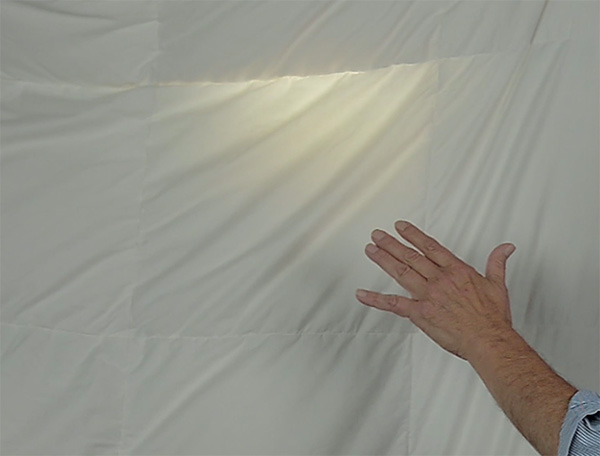
- If these compartments are less than 50% full compared to the edges, it’s time to consider a replacement.
Why Down Comforters Remain a Top Choice
Down comforters are beloved for good reason:
- Exceptional Warmth Without Weight: Ideal for those who dislike heavy bedding.
- Unrestricted Comfort: No need to tuck in like a blanket.
- Effortless Bed-Making: Especially when paired with a duvet cover.
Discover the Vero Linens Difference
At Vero Linens, we offer premium down comforters in three warmth levels to suit every sleeper. Each is crafted in the USA using baffle box construction for superior loft and durability. We also offer a synthetic alternative for those with specific preferences.
Available sizes include:
- Standard: Twin, Queen, King
- Over-sized: Alaskan King, Vermont King, Wyoming King, Texas King
- Custom dimensions available upon request
Shop our luxurious down comforters .
Down Comforter FAQ's
Learn how to clean your Down Comforter HERE.
- We recommend laundering it annually at a Laundromat with large-capacity machines. Some manufacturers suggest dry cleaning; always check the label.
What’s the best construction style?
- Baffle box is the gold standard. Learn about a Baffle Box construction HERE.
Why choose down over feathers?
- Down is softer, lighter, and insulates better.
- It comes from beneath the bird’s outer feathers and lacks a stiff quill, making it ideal for bedding.
- Learn the difference between Down and Feather HERE.
Does your comforter shift inside the duvet cover?
- Sew ties into the duvet corners and loops onto the comforter, but avoid stitching into the down compartments.
- Learn how to prevent your comforter from slipping inside your Down Comforter HERE.


Add New Comment